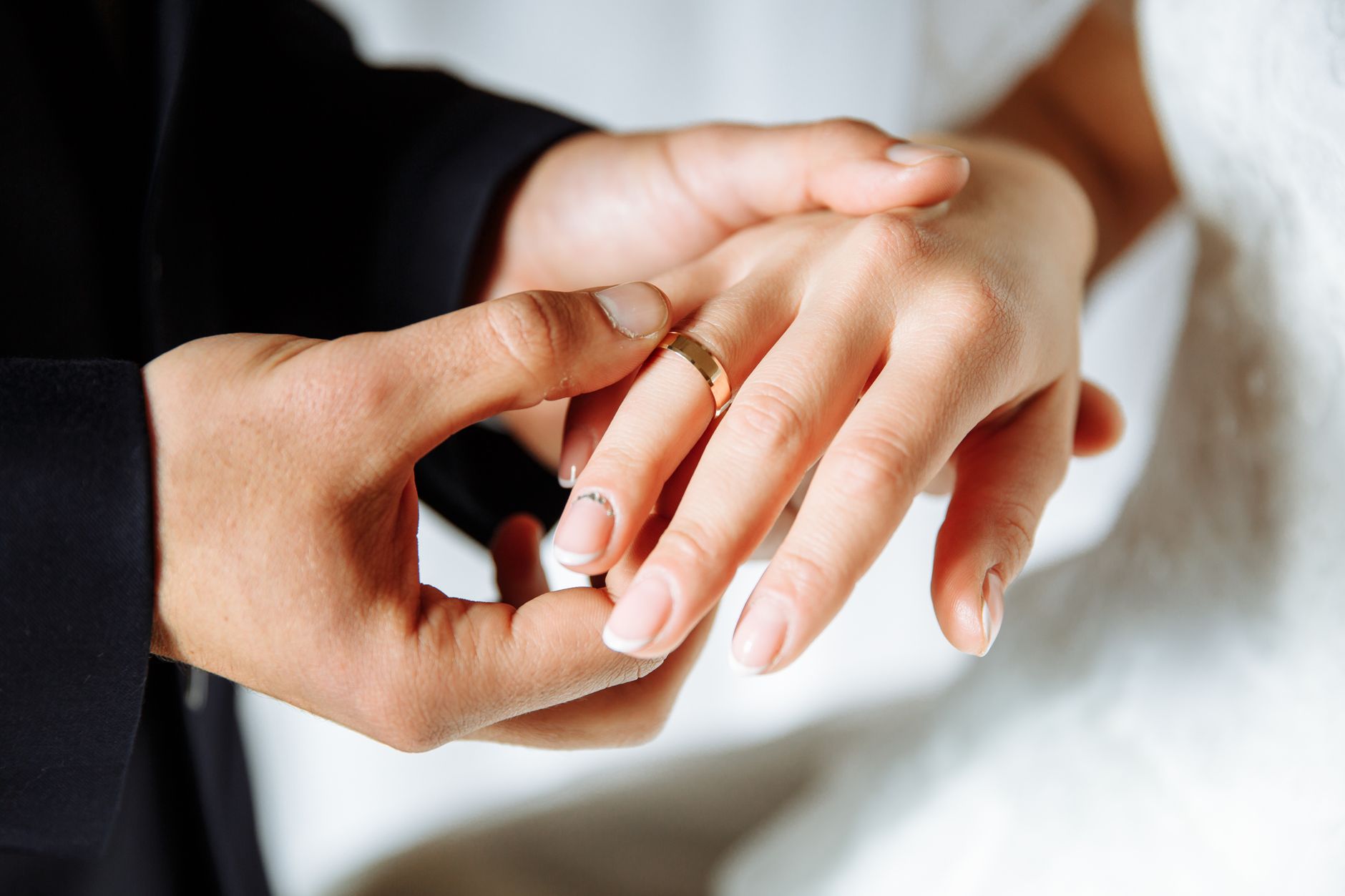
Engagement and wedding rings, though often small in size, carry immense weight in terms of symbolism, tradition, and meaning. These pieces of jewelry go beyond being mere adornments; they represent profound emotional connections, life-altering decisions, and enduring commitments. For centuries, they have been an integral part of the rituals that surround marriage, and their significance continues to evolve with societal changes, yet they remain deeply rooted in human culture.
The Historical Roots of Rings in Matrimony
The history of engagement and wedding rings dates back thousands of years, with each civilization adding layers of meaning and tradition. The ancient Egyptians, often credited with starting the tradition, viewed the circle as a symbol of eternity, a representation of a relationship without beginning or end. They used rings to signify eternal love and commitment, believing that the circular shape, with no beginning or end, reflected the unbreakable bond between two people.
In ancient Rome, rings became an official marker of betrothal. Roman couples exchanged rings made of iron, which symbolized strength and permanence. Over time, these rings evolved to include more luxurious materials, such as gold and gemstones, symbolizing wealth and status. The wedding ring, worn on the fourth finger of the left hand, was believed to contain the “vena amoris” or “vein of love,” linking the finger directly to the heart, further emphasizing the emotional and physical connection between the couple.
The tradition of giving a ring as a symbol of engagement continued to grow during the Middle Ages, with rings becoming more intricate and ornate. These early engagement rings often featured diamonds, though they were less common due to their rarity and expense. By the time the Renaissance period arrived, rings became increasingly elaborate, often used to demonstrate a family’s wealth and social standing, as well as to solidify romantic ties.
Engagement Rings: A Symbol of Proposal and Promise
The engagement ring, typically presented during a proposal, is one of the most significant symbols in a relationship. It signifies the promise of marriage, the commitment to a future together, and the intention to build a life with someone. While the concept of engagement rings dates back to Roman times, it wasn’t until the 15th century that the custom gained widespread popularity, particularly among the European aristocracy.
In 1477, Archduke Maximilian of Austria gave a diamond engagement ring to Mary of Burgundy, marking the first known instance of a diamond being used in an engagement ring. This romantic gesture set a precedent that reverberated throughout Europe and eventually the rest of the world. Diamonds became the preferred choice for engagement rings due to their durability, rarity, and symbolic associations with eternity and indestructibility. The marketing campaign by De Beers in the mid-20th century, with its iconic slogan “A diamond is forever,” solidified the diamond engagement ring as the quintessential symbol of engagement.
In modern times, the choice of gemstone has expanded beyond diamonds. Sapphires, emeralds, rubies, and other precious stones are now commonly chosen to symbolize unique personal qualities, such as loyalty, wisdom, and love. The variety of designs, from solitaires to halos, vintage-inspired rings to contemporary styles, reflects the increasing desire for engagement rings to reflect the individuality of the couple.
Beyond the gemstone, the setting and metal of the ring hold significance as well. Yellow gold, white gold, platinum, and rose gold all carry distinct meanings. For example, platinum is known for its strength and rarity, making it a popular choice for couples who want a ring that symbolizes resilience. Rose gold, with its warm, romantic hue, is often chosen for its sentimental appeal, while white gold and platinum convey sophistication and timeless elegance.
Wedding Rings: A Lifelong Commitment
While the engagement ring is the symbol of the promise of marriage, the wedding ring represents the actual bond between two people after they have made their vows. The exchange of wedding rings is one of the oldest traditions in matrimonial ceremonies, transcending cultures and religions. It signifies not only the legal and emotional union between two people but also the promise to support, love, and cherish each other for the rest of their lives.
The wedding ring is typically exchanged during the wedding ceremony, with each partner placing the ring on the other’s finger as a public affirmation of their vows. The simplicity of the wedding band, often made from precious metals like gold or platinum, reflects the enduring nature of the commitment. In some cultures, the wedding ring is worn on the fourth finger of the left hand, symbolizing the connection to the heart, while in others, it is worn on the right hand as a sign of unity and faithfulness.
Unlike engagement rings, which are usually worn by one partner before the wedding, wedding rings are traditionally worn by both partners throughout their married lives. This constant display of the wedding ring serves as a reminder of the vows taken and the relationship shared. Over time, the wedding ring can become a powerful symbol of shared experiences, challenges, and triumphs, representing the deep bond forged between the couple.
The Symbolism of Rings in Modern Relationships
In the modern world, engagement and wedding rings continue to carry deep symbolism, but their meanings have evolved to reflect changing attitudes toward marriage, commitment, and love. Today, these rings represent not just a union between two people, but also the broader ideas of partnership, equality, and mutual respect.
For many couples, engagement and wedding rings are now expressions of personal style, with designs that reflect their unique tastes, personalities, and values. Whether opting for a traditional diamond engagement ring or a non-traditional gemstone, modern couples have the freedom to choose rings that align with their vision of love and commitment. Many also choose rings that reflect environmental concerns, opting for ethically sourced diamonds or lab-grown stones to ensure their rings align with their values.
In some cases, couples now choose to exchange non-traditional rings altogether, embracing alternative materials like titanium, wood, or ceramic. These rings offer a modern, unconventional approach to traditional symbols, yet still carry the same emotional weight and commitment. As marriage customs continue to evolve, so too do the ways in which engagement and wedding rings are perceived and worn, adapting to the individual needs and desires of couples.
The Enduring Tradition of Engagement and Wedding Rings
Despite the changes in ring styles and materials, the significance of engagement and wedding rings remains deeply entrenched in the collective consciousness. They continue to represent the universal desire for connection, love, and stability. Engagement rings mark the beginning of a shared journey, while wedding rings serve as a constant reminder of the promises made, the sacrifices endured, and the love that has grown over time.
The symbolism of the engagement and wedding rings endures because of the emotional weight they carry. They are not just pieces of jewelry; they are physical manifestations of love, commitment, and shared life experiences. Whether passed down through generations or newly crafted for a couple’s journey together, these rings symbolize an enduring bond that transcends time, trends, and material wealth.
Conclusion
The significance of engagement and wedding rings is woven into the fabric of human history, with each piece representing the promise of eternal love, commitment, and partnership. These rings symbolize more than just a union of two people; they are a testament to the shared journey of life, filled with love, challenges, growth, and companionship. As traditions evolve and personal preferences change, the enduring legacy of engagement and wedding rings remains a powerful reminder of the lasting bond between two people who have chosen to spend their lives together.


