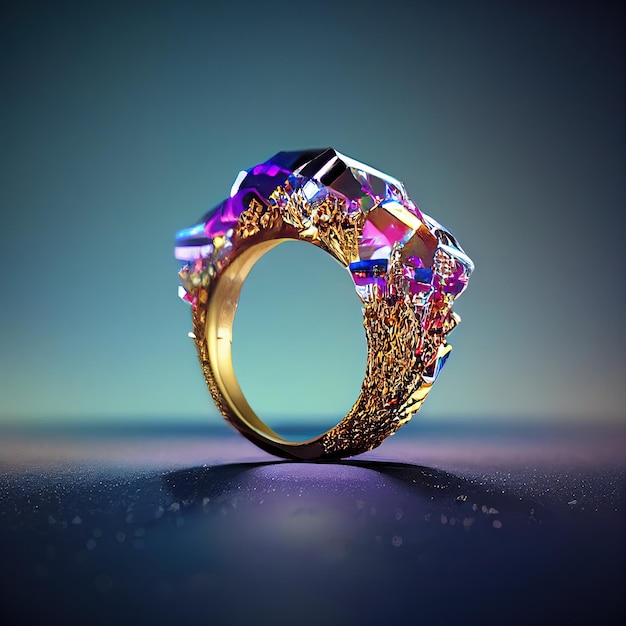
Throughout history, rings have been more than just ornamental objects. They have served as potent symbols of power, authority, and prestige, embodying the ideals and values of the wearer. Whether used to signify royal lineage, political dominion, or wealth, rings have been a tangible representation of status, influence, and privilege. From ancient civilizations to the modern era, these precious adornments have played a crucial role in defining social hierarchies and asserting one’s position in the world.
The Royal Legacy of Rings
Rings have long been associated with royalty, often used as emblems of a monarch’s authority and rule. In many cultures, a royal ring was not simply a piece of jewelry but a key to power, often bestowed upon trusted individuals or used in official ceremonies. These rings were crafted from the finest materials, such as gold, platinum, and silver, often adorned with precious gemstones or intricate engravings that symbolized the wealth and power of the ruling class.
Perhaps one of the most famous examples of rings as a symbol of power is the signet ring. In ancient Egypt, signet rings were used by Pharaohs as a means of sealing documents, decrees, and proclamations. The ring’s engraved emblem or symbol would serve as a seal, signifying the authenticity and authority of the ruler. These rings were often passed down through generations, becoming family heirlooms and symbols of dynastic power.
In medieval Europe, signet rings continued to hold significant power. Kings and noblemen would use their rings to stamp official documents, making them a critical tool in governance and diplomacy. The ring served as a symbol of trust and legal authority, a powerful tool in matters of law and politics. The presence of a nobleman’s signet ring was an undeniable marker of high status and influence.
Rings in Religion and Spirituality
Rings have also held deep religious and spiritual significance, often symbolizing the divine connection between the wearer and a higher power. Throughout history, religious figures have used rings to convey their position within the faith and to express their dedication to their spiritual duties. In the Christian tradition, for example, the Pope’s ring, also known as the “Fisherman’s Ring,” has been a symbol of papal authority for centuries. This ring is engraved with the image of Saint Peter, who was considered the first Pope, and it is used in various ceremonies, including papal elections and the signing of official documents.
In addition to religious figures, rings have been worn by royalty and leaders to symbolize their divine right to rule. The idea of “divine right” has been a cornerstone of political theory in many cultures, with kings and emperors often claiming that their authority was granted directly by God. The coronation ring, worn during the crowning ceremony, is a symbol of this divine blessing and the sacred nature of the ruler’s position.
The Role of Rings in Political Power
Beyond religious symbolism, rings have long served as a tool for political leaders to assert their dominance and control. In ancient Rome, the use of rings by senators and emperors was widespread. The Roman signet ring, often worn by individuals in positions of power, was used to mark official documents and authenticate decrees. These rings were often inscribed with the wearer’s name or a family crest, signifying both personal power and social status.
Similarly, in the medieval period, rings were often given as gifts by kings to nobles, generals, and allies as a sign of favor or as a token of political loyalty. The gifting of rings, particularly those with jewels or precious metals, was a way for rulers to demonstrate their wealth and influence. Political figures who received such rings were seen as part of an exclusive circle, with the ring symbolizing not only their close relationship with the ruler but also their elevated status in society.
In the modern era, rings continue to play a role in the political sphere. The wearing of rings by heads of state or political figures remains a subtle but effective way of signaling authority and wealth. Whether through the use of expensive diamond-studded bands or simple, elegant designs, the ring worn by a politician often serves as a reminder of their power, influence, and ability to make decisions that affect millions of lives.
Rings as Symbols of Wealth and Status
Rings have long been associated with wealth, often serving as a status symbol for those who can afford them. The materials used in the creation of rings—precious metals, rare gemstones, and intricate craftsmanship—have long been markers of wealth and prestige. Throughout history, only the elite had access to such luxuries, making rings a clear symbol of social distinction.
In ancient times, gold and silver rings were often worn by the ruling class, while commoners were restricted to simpler materials. The use of gemstones, particularly diamonds, emeralds, and rubies, further elevated the status of the wearer. These rings became markers of personal success, denoting not only financial prosperity but also a certain level of sophistication and taste.
In the modern world, the association of rings with wealth remains strong. High-end jewelry brands like Cartier, Tiffany, and Bulgari have solidified the connection between rings and luxury, with their creations serving as an indication of the wearer’s economic standing. Celebrity culture has also contributed to this symbolism, with famous figures often wearing multi-million-dollar rings that capture the public’s attention and further elevate their status.
The trend of stacking multiple rings or wearing oversized statement rings has also emerged as a way to flaunt wealth and exclusivity. These rings, often adorned with diamonds and rare stones, are worn as a way to display one’s financial success, creating a visual statement of power and affluence.
Rings in Contemporary Corporate Culture
In the corporate world, rings continue to be used as symbols of power and prestige, particularly in the form of graduation rings, corporate rings, and championship rings. For example, many universities award rings to graduates, often featuring the institution’s crest and graduation year. These rings serve as markers of academic achievement, but they also symbolize the wearer’s potential to succeed in the competitive professional world.
In the world of business, rings have become a subtle yet powerful way to display one’s corporate success. The use of corporate rings, often given to high-ranking executives or employees who have reached significant milestones, signals both personal achievement and membership within an exclusive group. These rings, crafted from precious metals and sometimes adorned with company logos or symbols, serve as a constant reminder of the wearer’s success and influence within the business world.
Similarly, championship rings in sports are a modern example of how rings continue to symbolize power and prestige. These rings are awarded to athletes who have reached the pinnacle of their sport, marking their status as champions. The size, design, and gemstones used in championship rings reflect not only the athletic achievement but also the wealth and prestige that come with being a top-tier competitor.
Rings as Family Heirlooms and Legacy
Beyond their use in signaling immediate power and wealth, rings also serve as symbols of legacy and heritage. Family heirloom rings, passed down from generation to generation, carry with them a sense of history and continuity. These rings often hold sentimental value, representing the strength and influence of those who came before. The tradition of passing down rings—whether engagement rings, signet rings, or other significant pieces—ensures that the symbol of power and prestige endures across time, remaining a permanent marker of familial strength and influence.
Conclusion
Rings, throughout history and into the modern world, have served as powerful symbols of status, wealth, and authority. Whether worn by royalty to signify divine rule, by political figures to assert dominance, or by wealthy individuals as a marker of personal success, rings have been used to communicate influence and prestige. From ancient civilizations to contemporary society, the significance of rings remains unchanged: they are symbols of power, privilege, and social standing, and they will likely continue to be so for generations to come.


