Diamond retailers are adjusting to a market where customers increasingly prioritize affordability over origin, particularly for smaller stones. Laboratory-grown diamonds have gained ground in sizes under 1.5 carats, appealing to younger shoppers who value larger apparent size at lower prices. The decline in lab-grown diamond prices since 2023 has further weakened demand for lower-grade natural stones, especially those in G-color and below. These shifts are forcing businesses to refine their inventory strategies and sales tactics to remain competitive.
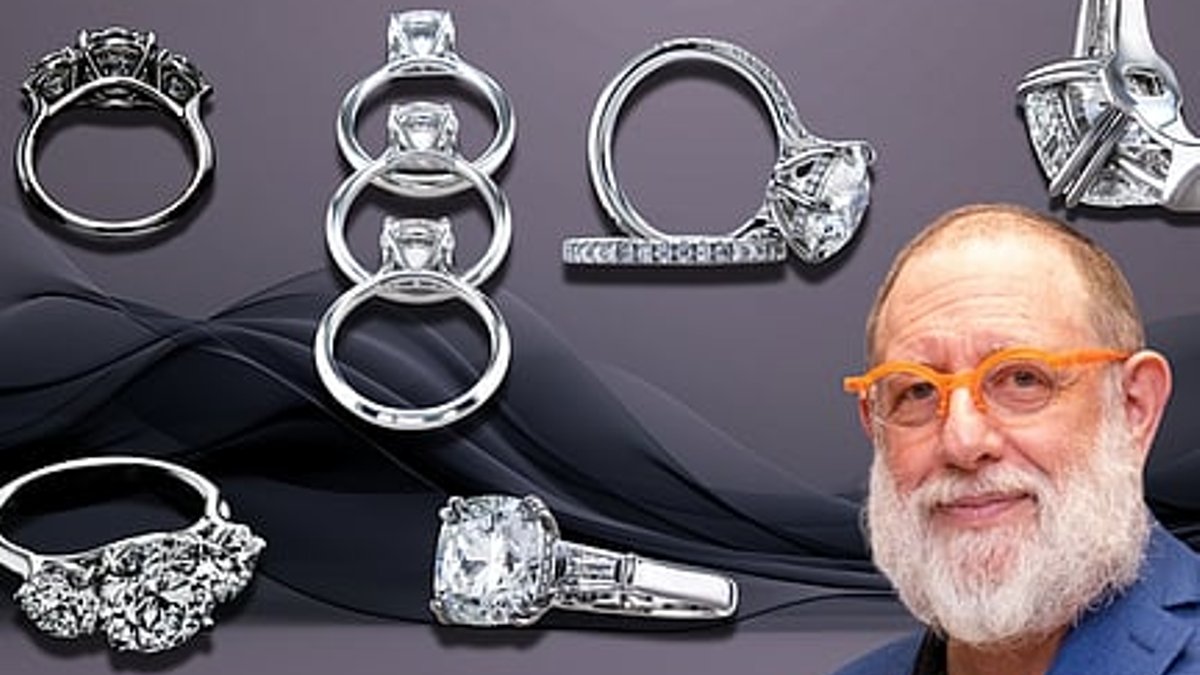
Retailers specializing in premium natural diamonds have maintained their market position by emphasizing quality and craftsmanship. One such business, known for its Hearts & Arrows diamonds and precision cutting techniques, applies the same high standards to lab-grown stones. This consistency in quality helps it stand out amid broader market pressures, where differentiation becomes increasingly important as price competition grows.
Inventory strategies now vary significantly between retailers. Online-focused sellers have adopted a cautious approach, avoiding large commitments to lab-grown diamonds due to price fluctuations. Early adopters who stocked these stones at raised prices between 2022 and 2023 faced inventory write-downs as market values stabilized. Current trade practices rely more on short-term memorandum agreements, allowing retailers to respond quickly to price changes.
Consumer preferences have shifted alongside these market adjustments. Buyers under 35 now drive most lab-grown diamond purchases, particularly for stones under 1.5 carats, where cost and size take precedence over concerns about rarity. Older demographics, however, continue to favor natural diamonds, especially in larger sizes, premium cuts, and rare categories where craftsmanship and exclusivity hold enduring value.
Geopolitical tensions and supply chain disruptions have added complexity to diamond retail. Tariff concerns in 2023 led some Indian manufacturers to rush inventory into the U.S. ahead of potential trade changes, temporarily distorting supply and pricing. One company made a significant inventory investment in early 2023 when prices were higher, later adjusting downward as the market corrected. As a specialized Hearts & Arrows company, it operates differently from broader commodity-driven diamond businesses. Even in a challenging market, premium craftsmanship and superior cutting standards continue to command recognition. While market pressures have forced pricing adjustments across the industry, the focus remains on delivering exceptional quality.
The global jewelry industry, including key markets in China, India, and Japan, faces ongoing adjustments. Economic slowdowns, particularly in China, along with conflicts in Ukraine and the Middle East, have reduced consumer confidence in luxury spending. Buyers now demand greater transparency, flexibility, and perceived value from retailers. Sales approaches have shifted to focus on education and long-term craftsmanship rather than short-term price sensitivity.


