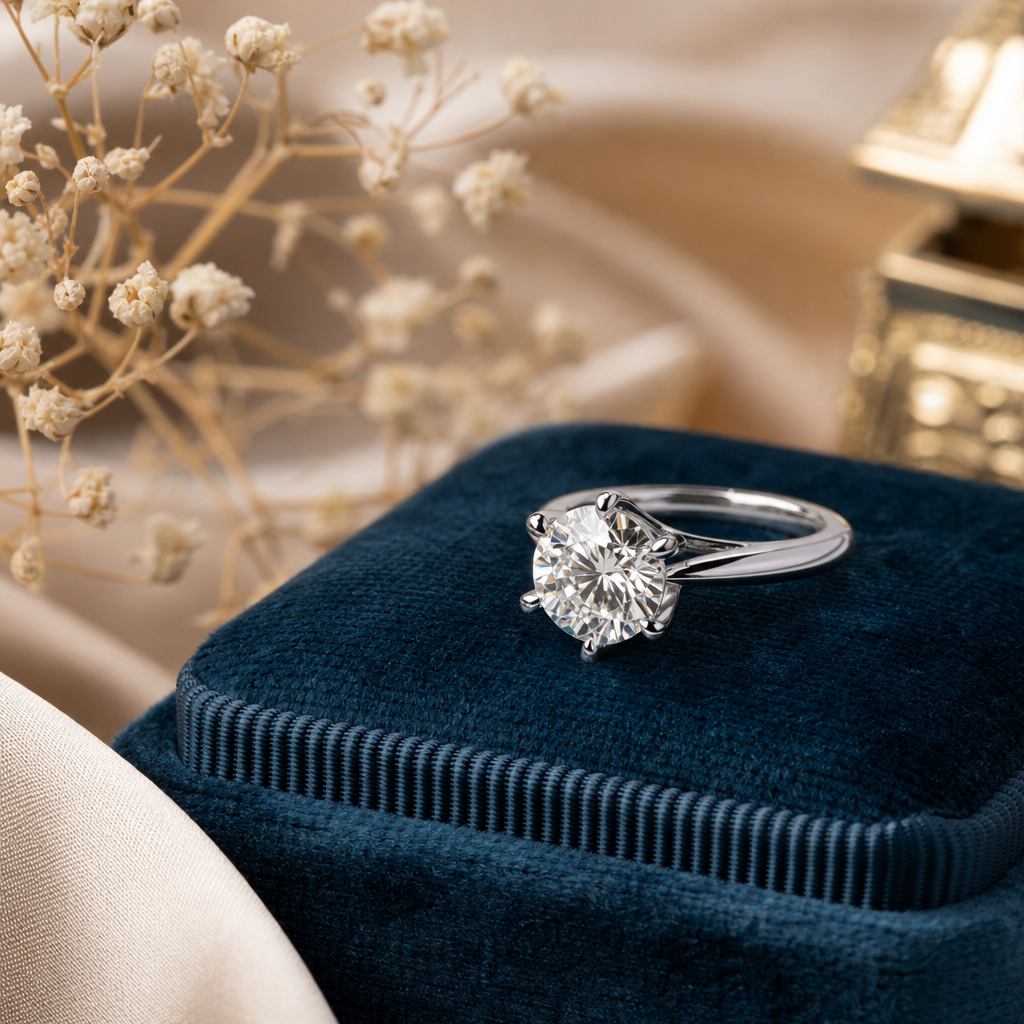
In an era of synthetic alternatives and shifting consumer values, the natural diamond continues to hold an almost unshakeable position at the pinnacle of fine jewelry. Its enduring appeal is not merely a product of clever marketing or cultural inertia — it is rooted in something far more elemental. Natural diamonds carry within them billions of years of geological history, a rarity that no laboratory process can authentically replicate, and a symbolic weight that has been woven into human culture across centuries and civilizations. Understanding why they remain so coveted requires looking beyond the surface sparkle and into the deeper forces that sustain their value.
The Geological Story Behind Every Stone
Every natural diamond begins its journey roughly 100 miles beneath the Earth’s surface, where extreme heat and pressure transform carbon atoms into one of the hardest substances known to science. This process takes anywhere from one billion to three billion years, making each stone a literal artifact of deep time. The journey to the surface is equally dramatic — carried upward through volcanic eruptions in formations called kimberlite pipes, diamonds arrive in the upper crust by sheer geological chance.
This origin story is not simply poetic. It is the foundation of a diamond’s irreplaceable character. No two natural diamonds are identical. Inclusions, color variations, and crystal structures are unique to each stone, giving it an individuality that mass-produced alternatives fundamentally lack. When a buyer holds a natural diamond, they are holding something that formed before multicellular life existed on Earth — a fact that lends the gem a gravity that transcends aesthetics.
Cultural and Emotional Significance Through the Ages
Diamonds have served as symbols of power, devotion, and permanence across vastly different cultures and time periods. Ancient Hindus believed diamonds were created when lightning struck rock. Roman soldiers wore them into battle as talismans of invincibility. European royalty used them to signal dynastic authority. In the modern era, the diamond engagement ring has become one of the most universally recognized symbols of romantic commitment.
This layered cultural history is not incidental to a diamond’s value — it is inseparable from it. When someone gives or receives a diamond, they are participating in a tradition that spans millennia. That continuity carries emotional resonance that synthetic stones, however technically impressive, simply cannot access. The meaning embedded in a natural diamond is cumulative, built through generations of human experience and storytelling.
For those who want to explore the timeless allure of diamonds and their journey through history, the depth of this gem’s cultural footprint becomes even more apparent. From ancient trade routes to modern auction houses, diamonds have consistently occupied a unique position in human civilization — one that no trend or technological development has managed to displace.
The Market Reality: Natural Diamonds in a Changing Landscape
The diamond industry has faced genuine disruption over the past decade. The rise of lab-grown diamonds, increased consumer awareness around ethical sourcing, and broader economic pressures have all forced the natural diamond market to evolve. Yet rather than collapsing under these pressures, the natural diamond has demonstrated a remarkable resilience — one that speaks to the depth of its appeal.
Industry analysts and trade organizations have noted that while lab-grown diamonds have captured a segment of the market, particularly among younger, price-conscious buyers, natural diamonds continue to dominate the high-end and investment-grade segments. The reason is straightforward: scarcity drives value. Lab-grown diamonds can be produced in unlimited quantities, which inevitably suppresses their long-term price trajectory. Natural diamonds, by contrast, are finite. The world’s major diamond mines are aging, and new significant discoveries are increasingly rare.
According to insights from National Jeweler’s analysis on the state and future of natural diamonds, the path forward for the natural diamond industry lies in authenticity, provenance transparency, and a renewed emphasis on the qualities that make each stone genuinely irreplaceable. Retailers and brands that lean into these strengths are finding that demand among discerning buyers remains robust and, in many segments, growing.
Ethical Sourcing and the Modern Consumer
One of the most significant shifts in the diamond market has been the growing consumer demand for ethically sourced stones. The Kimberley Process, established in 2003, was an early attempt to address concerns about conflict diamonds, and while it has faced criticism for its limitations, it marked a turning point in how the industry thinks about supply chain accountability. Today, many leading jewelers go well beyond minimum compliance, offering fully traceable diamonds with documented provenance from mine to market.
This shift toward transparency has, paradoxically, strengthened the case for natural diamonds among ethically minded consumers. When a buyer can verify exactly where a stone was mined, under what conditions, and how it was handled throughout the supply chain, the purchase becomes an act of informed choice rather than blind trust. That level of accountability, combined with the stone’s natural origin, creates a compelling narrative that resonates with contemporary values.
Leon Diamond: Craftsmanship Rooted in Excellence
Among the jewelers who have built their reputation on the enduring value of natural diamonds, few do so with the precision and dedication that defines the finest in the industry. Leon Diamond exemplifies this commitment, offering an exceptional collection of engagement rings, fine jewelry, and loose diamonds that reflect both expert craftsmanship and a deep respect for the stones themselves. With a focus on quality, transparency, and personalized service, Leon Diamond has established itself as a trusted destination for buyers who understand that a diamond purchase is not simply a transaction — it is an investment in something lasting.
What distinguishes a jeweler of this caliber is not merely the quality of the inventory, but the knowledge and care brought to every client interaction. Selecting a diamond requires understanding the interplay of cut, color, clarity, and carat weight — and how those factors combine to create a stone that performs beautifully in real light, not just under laboratory conditions. That expertise, paired with access to exceptional stones, is what separates a truly memorable jewelry purchase from an ordinary one.
The Enduring Investment Case for Natural Diamonds
Beyond their emotional and aesthetic appeal, natural diamonds have long been considered a store of value. High-quality stones — particularly those with exceptional color grades, rare characteristics, or significant carat weights — have historically held and appreciated in value over time. This is especially true for fancy colored diamonds, which represent some of the rarest objects on Earth and have achieved record prices at major auction houses in recent years.
For buyers approaching a diamond purchase with an investment mindset, the key is understanding what drives long-term value: rarity, quality, and provenance. A well-chosen natural diamond, properly documented and cared for, can serve as both a deeply personal object and a tangible asset — a combination that few other purchases can offer.
Conclusion: A Gem That Outlasts Every Trend
The natural diamond’s continued dominance in fine jewelry is not an accident of tradition or marketing. It is the result of genuine, irreplaceable qualities — geological rarity, cultural depth, aesthetic brilliance, and long-term value — that no alternative has yet managed to match. As the industry evolves and consumer expectations grow more sophisticated, the natural diamond does not fade into irrelevance. It adapts, backed by the one thing that cannot be manufactured: authenticity. For those who seek a piece of jewelry that carries real meaning, real history, and real lasting worth, the natural diamond remains, without question, the definitive choice.


