A Tradition Etched in Time
Engagement rings are more than just shimmering pieces of jewelry; they are symbols of love, commitment, and promise. Their history spans centuries, interwoven with cultural traditions, evolving social norms, and artistic craftsmanship. Understanding the history of engagement rings provides insight into their deep-rooted significance, which continues to captivate couples around the globe.
The Ancient Origins of Engagement Rings
The origins of engagement rings can be traced back to ancient civilizations. In Ancient Egypt, rings were crafted in the form of a circle—a shape that represented eternity, with no beginning or end. Couples exchanged these rings as tokens of their everlasting love. Often made from woven reeds or hemp, the simplicity of these early rings underscored their symbolic importance rather than material value.
The tradition later found its way to Ancient Rome, where betrothal rings, known as annuli pronubi, were given as symbols of ownership. Roman women received iron rings to signify their partner’s commitment. Over time, these iron bands evolved into gold rings, signifying wealth and prestige. Interestingly, some Roman rings were engraved with miniature keys, believed to represent the unlocking of the giver’s heart.
The Advent of the Diamond Engagement Ring
The history of engagement rings took a transformative turn in 1477, when Archduke Maximilian of Austria presented Mary of Burgundy with a diamond ring. This historic moment marked the first recorded instance of a diamond being used in an engagement ring, solidifying the gemstone’s association with eternal love. The Archduke’s choice of diamonds was not accidental; their durability and brilliance symbolized strength and constancy.
This event sparked a trend among European aristocracy, with diamonds becoming the preferred stone for engagement rings. However, the rarity and cost of diamonds kept this tradition exclusive to the elite for centuries.
The Renaissance and the Rise of Symbolism
During the Renaissance period, engagement rings evolved in design and meaning. Rings adorned with gemstones like rubies, emeralds, and sapphires gained popularity, each stone carrying its own symbolic significance. Rubies, with their deep red hue, represented passion and love, while emeralds were believed to bring good fortune and fidelity.
Another fascinating development during this era was the use of gimmel rings. These rings featured interlocking bands that could be separated and worn by both partners during the engagement. On the wedding day, the bands were reunited to form a single ring, symbolizing the unity of marriage. These intricately designed rings were often engraved with poetic inscriptions, enhancing their sentimental value.
The Victorian and Edwardian Eras: A Blend of Romance and Craftsmanship
The 19th century witnessed the fusion of romance and artistic craftsmanship in the design of engagement rings. The Victorian era, named after Queen Victoria, was characterized by ornate and whimsical designs. Rings from this period often featured a combination of diamonds and colored gemstones, set in intricate floral and heart motifs.
The Edwardian era, which followed, embraced elegance and sophistication. Platinum became the metal of choice, allowing jewelers to create delicate, lace-like designs. Diamonds continued to reign supreme, and the popularity of milgrain detailing added an extra touch of refinement.
The 20th Century: Modern Marketing and Accessibility
The 20th century marked a pivotal chapter in the history of engagement rings, largely driven by the diamond industry’s marketing ingenuity. In 1947, De Beers launched their iconic slogan, “A Diamond is Forever,” which reshaped public perception of diamonds as the ultimate symbol of enduring love. This campaign revolutionized the engagement ring market, making diamonds synonymous with romance and commitment.
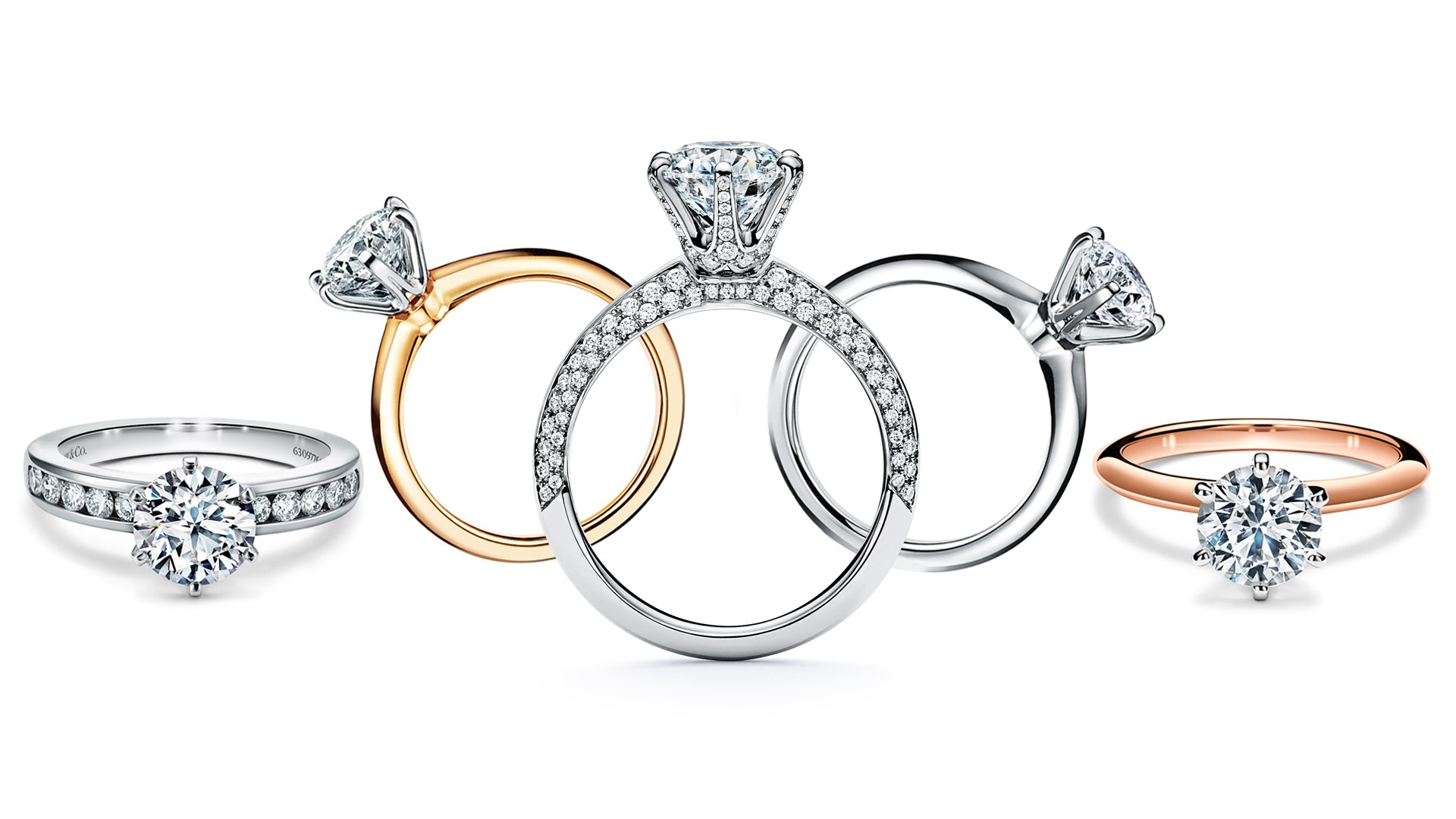
As the diamond trade expanded, advancements in technology and mining made diamonds more accessible to a wider audience. The solitaire diamond engagement ring, characterized by a single, prominent diamond, emerged as a timeless classic. Other popular styles included halo settings, cluster designs, and three-stone rings, each offering its own unique appeal.
Cultural Variations and Modern Trends
While the diamond engagement ring became a global phenomenon, cultural variations continued to shape engagement ring traditions. In some cultures, gemstones like jade or turquoise are preferred, while others prioritize simpler, more understated designs.
In recent years, modern couples have embraced alternative options, such as vintage-inspired rings, ethically sourced gemstones, and non-traditional materials like moissanite or recycled metals. Customization has also become a popular trend, allowing individuals to create rings that reflect their unique love stories.
The Enduring Symbol of Love
Despite their evolving styles and materials, engagement rings remain steadfast symbols of love and commitment. Their rich history is a testament to humanity’s desire to celebrate the bonds of affection and unity. Whether adorned with diamonds, colored gemstones, or minimalist designs, engagement rings continue to hold a cherished place in the journey of love.
The history of engagement rings is a story of tradition, artistry, and emotion—a timeless narrative that resonates across generations. From the simple reed bands of Ancient Egypt to the dazzling creations of the modern era, these rings embody the beauty and strength of the promises they represent.


