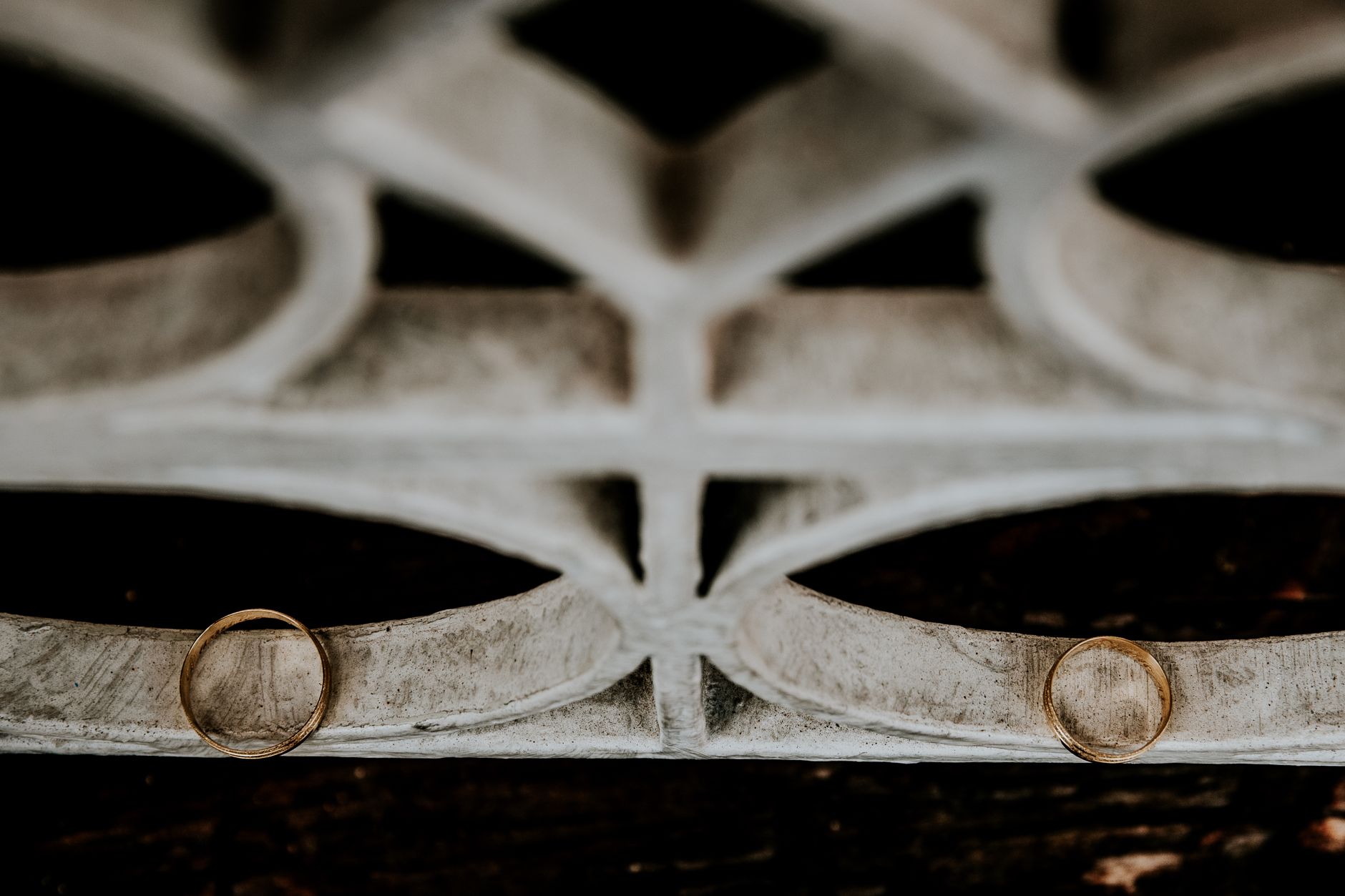
Engagement rings have long been regarded as symbols of love, commitment, and the promise of a shared future. These timeless pieces of jewelry hold deep significance for couples around the world, signifying the union of two lives and the start of a new chapter together. Whether designed with diamonds, gemstones, or more modern alternatives, engagement rings capture the essence of devotion and loyalty. Their rich history, varied designs, and enduring appeal continue to make them a cherished part of the engagement tradition.
The History of Engagement Rings
The tradition of giving an engagement ring dates back centuries, and its meaning has evolved over time. The earliest known instance of an engagement ring was in Ancient Egypt, where couples exchanged rings as symbols of eternity and commitment. The circular shape of the ring represented an endless cycle, with no beginning or end, mirroring the idea of eternal love. These rings were typically made from reeds or braided leather, simple yet meaningful in their gesture.
The custom of giving engagement rings became more formalized during the Roman Empire. Roman men would present their betrothed with rings made of iron, signifying both their love and their financial commitment. Iron was a strong and durable metal, symbolizing the enduring nature of the relationship.
However, the modern tradition of diamond engagement rings as we know it today took shape in the late 19th century. In 1477, Archduke Maximilian of Austria proposed to Mary of Burgundy with a diamond ring, marking one of the first recorded instances of a diamond engagement ring. The diamond, with its brilliance and rarity, quickly became the symbol of love and commitment, a tradition that persists to this day. The marketing efforts of De Beers in the 20th century further solidified diamonds as the quintessential choice for engagement rings, promoting the slogan “A Diamond is Forever” and making them a central part of engagement culture.
The Anatomy of an Engagement Ring
Engagement rings come in a variety of styles and designs, but their structure typically follows a few essential elements. The key components of an engagement ring include the band, the setting, and the gemstone.
1. The Band
The band is the circular metal ring that forms the foundation of the engagement ring. Traditionally, engagement ring bands were made from yellow gold, but over time, other metals like white gold, platinum, and rose gold have become popular choices. The choice of metal not only affects the overall appearance of the ring but also influences its durability and longevity. Platinum, for example, is a rare and durable metal, making it an ideal choice for those seeking a ring that will last a lifetime. On the other hand, yellow gold offers a classic, warm tone that has remained a favorite for generations.
In recent years, alternative metals such as titanium and tungsten have gained popularity, especially for those seeking a more contemporary and industrial look. These metals offer strength and resistance to scratching, making them ideal for individuals with an active lifestyle.
2. The Setting
The setting is the way in which the gemstone is secured into the band. There are several popular types of settings, each offering a distinct aesthetic and level of security for the gemstone.
- Prong Setting: The most common type of setting, the prong setting, uses small metal claws to hold the gemstone in place. This setting allows for maximum light exposure to the stone, enhancing its brilliance and sparkle. It’s a popular choice for diamond engagement rings, as it allows the stone to shine with its full potential.
- Bezel Setting: The bezel setting encircles the gemstone with a metal rim, offering a more secure and modern look. This setting is ideal for those seeking a more contemporary design, as it offers protection for the gemstone while still showcasing its beauty.
- Tension Setting: A tension setting is a more innovative and minimalist design in which the gemstone is held in place by the pressure of the band. This setting creates the illusion that the gemstone is floating in mid-air, offering a sleek and modern look that appeals to those with a preference for unique designs.
- Halo Setting: In a halo setting, smaller stones surround the central gemstone, creating a sparkling frame that enhances the size and brilliance of the main stone. This setting is a popular choice for individuals who desire a larger visual impact, as the halo effect creates a dazzling display of light.
3. The Gemstone
While diamonds remain the most popular choice for engagement rings, many couples are choosing to incorporate alternative gemstones into their rings. Sapphires, emeralds, and rubies offer rich colors and are often chosen for their symbolism and beauty. For example, sapphires are associated with wisdom and loyalty, while emeralds represent love and rebirth.
For those looking for something truly unique, colored diamonds or even non-traditional gemstones like morganite, aquamarine, and opal can be stunning choices. The gemstone chosen for an engagement ring is often a reflection of the couple’s personality, preferences, and the significance they place on the stone’s symbolism.
Choosing the Right Engagement Ring
Selecting the perfect engagement ring is a highly personal decision, one that reflects not only the love and commitment between the couple but also their tastes and values. There are several factors to consider when choosing an engagement ring, including the metal, setting, gemstone, and budget.
1. Personal Style
An engagement ring should reflect the personal style of the wearer. Some individuals prefer classic, timeless designs that feature simple yet elegant solitaire diamonds, while others may lean toward more intricate settings with multiple gemstones or unique band designs. Consideration of the individual’s style and preferences is key when selecting the perfect ring.
2. The 4 Cs of Diamonds
When choosing a diamond for an engagement ring, many individuals turn to the “4 Cs” to guide their decision-making: cut, color, clarity, and carat weight. Each of these factors plays a role in determining the quality and value of the diamond.
- Cut: The cut refers to how the diamond is shaped and faceted, which affects its brilliance and sparkle. A well-cut diamond will reflect light beautifully, creating a dazzling effect.
- Color: Diamonds come in a range of colors, from colorless to shades of yellow or brown. The less color a diamond has, the more valuable it tends to be.
- Clarity: Clarity refers to the presence of inclusions or imperfections within the diamond. A diamond with fewer inclusions will typically have greater clarity and value.
- Carat Weight: Carat weight measures the size of the diamond. Larger diamonds are rarer and often more expensive, though the other factors, such as cut and clarity, also play a significant role in the overall value of the stone.
3. Budget
The budget for an engagement ring is another crucial factor to consider. While it is a common belief that one should spend two or three months’ salary on an engagement ring, the reality is that the ideal budget varies for each couple. Setting a realistic budget based on personal finances and preferences will ensure that the ring is a meaningful symbol of commitment without causing financial strain.
The Future of Engagement Rings
As trends and traditions evolve, so too do the designs and materials used in engagement rings. The future of engagement rings is likely to see more sustainable and ethical practices, with many jewelers focusing on sourcing conflict-free diamonds and using recycled metals. Additionally, there is a growing demand for personalized engagement rings, with couples opting for custom designs that reflect their unique love story.
Engagement rings will continue to symbolize the eternal bond between two people, a reminder of the commitment and devotion they share. As new technologies emerge and the world of jewelry design expands, the engagement ring will remain a timeless emblem of love, offering a dazzling and lasting expression of one’s deepest feelings.
Conclusion
Engagement rings, with their rich history and profound symbolism, remain an enduring representation of love and commitment. Whether crafted from diamonds, gemstones, or alternative materials, these rings hold deep personal meaning for those who exchange them. As styles and trends evolve, engagement rings will continue to be cherished as symbols of life’s most meaningful promises.


