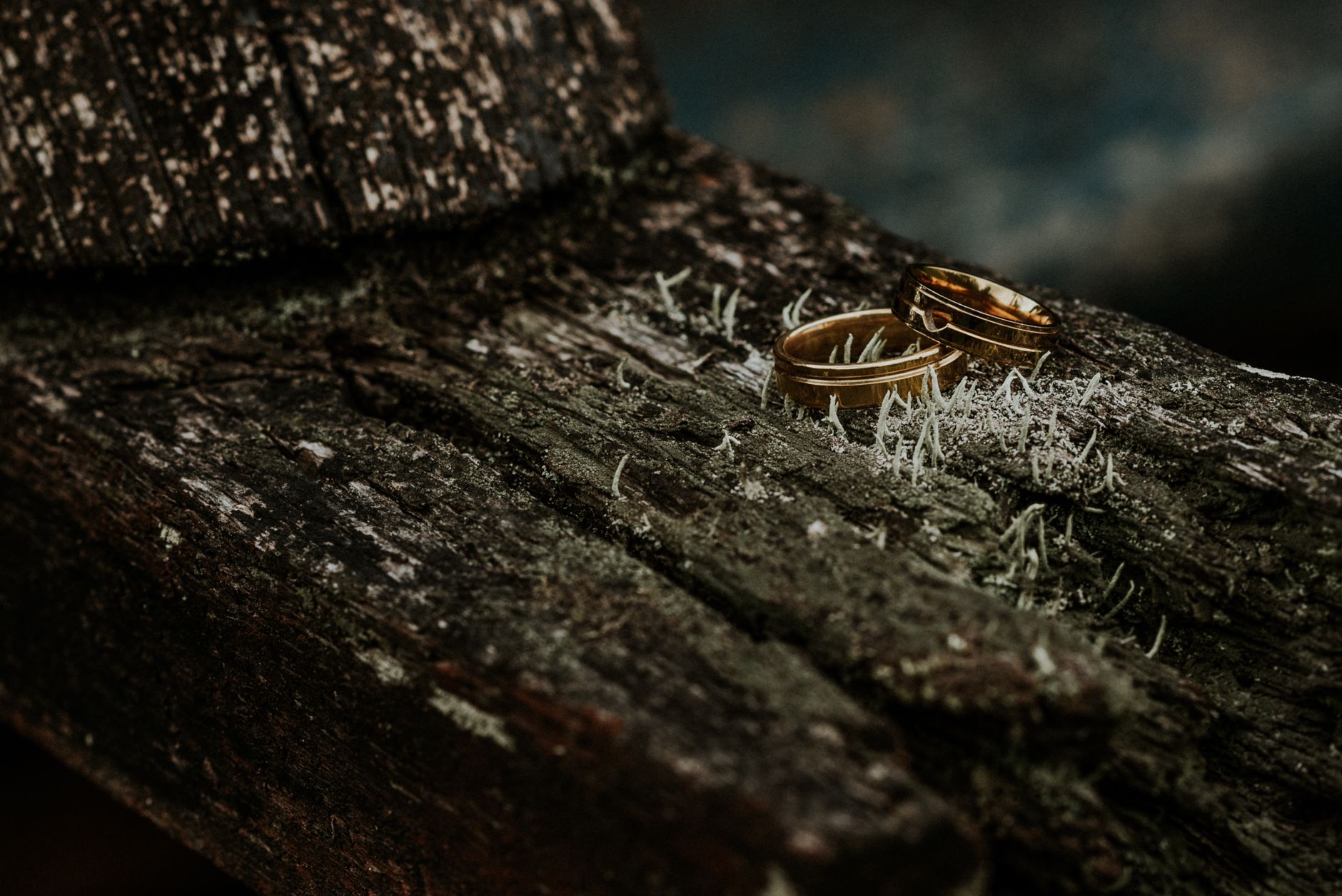
Rings have long held a special place in human history, culture, and personal expression. These small, circular pieces of jewelry are not merely accessories; they symbolize a wide range of concepts, from love and commitment to power and status. Whether worn as a fashion statement, an emblem of an important relationship, or an intricate piece of art, rings continue to captivate and intrigue across centuries and civilizations.
The Historical Legacy of Rings
Rings have roots that extend back thousands of years. Ancient civilizations, from the Egyptians to the Romans, used rings as a tool for personal adornment and social status. In Egypt, the ring was a symbol of eternity, with its circular shape representing a never-ending cycle. The Greeks and Romans, on the other hand, employed rings for both functional and ornamental purposes. Roman signet rings, often engraved with family crests, were used to seal documents, marking them with authority and authenticity. These early rings were made from a variety of materials, including gold, bronze, and silver, showcasing the craftsmanship of the time.
Rings in the Modern World
In contemporary times, rings are primarily used as a form of self-expression. They are available in an array of styles, materials, and designs, catering to a broad spectrum of tastes and preferences. Whether crafted from precious metals like gold, platinum, or silver, or adorned with gemstones such as diamonds, sapphires, and emeralds, modern rings embody elegance and sophistication. The variety of choices available makes it easy to find a ring that reflects one’s personality or marks a significant occasion.
Rings are no longer exclusively reserved for formal events. Many people wear rings daily, from simple bands to elaborate, statement pieces. Fashion rings, for instance, allow individuals to incorporate their personal style into their everyday outfits. These rings might feature bold, modern designs or incorporate unusual materials such as wood, ceramics, or even recycled items, offering a unique twist on the traditional.
The Significance of Engagement and Wedding Rings
Perhaps the most iconic and universally recognized types of rings are engagement and wedding rings. These rings, rich in symbolism and cultural importance, are often exchanged during pivotal life events. The tradition of giving an engagement ring, for example, has roots in Ancient Rome, where the groom would present a ring as a symbol of his intention to marry. Over time, this gesture became a ritual that signifies not only the promise of love but also the formal commitment to a lifelong partnership.
The engagement ring, typically adorned with a diamond, holds deep significance in the context of romance. Diamonds, with their remarkable durability and brilliant sparkle, represent the enduring nature of love and the strength of the bond between two individuals. Wedding rings, exchanged during the ceremony, further solidify this bond, with their unbroken circular shape symbolizing eternity and the unending commitment to one another.
Rings as a Symbol of Power and Prestige
Beyond personal and romantic symbolism, rings have also been employed as a symbol of power, wealth, and authority. Kings and queens, emperors, and politicians have long used rings as a way to convey their status and influence. One of the most prominent examples of rings as a sign of authority is the signet ring. Historically, this ring was used to authenticate documents, signifying that the bearer was of high rank. The engraving on the ring would serve as a unique identifier, guaranteeing the authenticity of the signed documents.
In more modern contexts, rings continue to serve as symbols of prestige. Championship rings, awarded to the victors of major sports events like the Super Bowl or the NBA Finals, are coveted trophies that symbolize not only athletic excellence but also the dedication and teamwork required to achieve greatness. These rings, often encrusted with precious stones and crafted with meticulous detail, are a testament to the hard work and success of the individuals who receive them.
The Cultural Significance of Rings
Across different cultures, rings hold diverse meanings and are integral to various traditions. In some cultures, rings are given as part of rites of passage or as symbols of wealth. For example, in India, the engagement ring is often part of a larger ritual involving intricate ceremonies, where the exchange of rings signifies the joining of two families. Similarly, in African cultures, rings can represent a variety of milestones, such as marriage or the transition into adulthood.
In Western cultures, rings are often associated with commitment and love, but they also feature prominently in ceremonial contexts. Class rings, for instance, are a staple of academic achievement, representing the successful completion of a particular phase of one’s educational journey. These rings are usually inscribed with the name of the institution, the year of graduation, and sometimes symbols that represent the graduate’s field of study.
The Craftsmanship Behind Rings
The creation of a ring is an art form in itself, one that requires skill, precision, and an eye for detail. Whether fashioned from precious metals, stones, or synthetic materials, the process of designing and crafting a ring involves a high degree of expertise. Jewelers meticulously select the materials, considering factors such as durability, color, and overall aesthetics, before embarking on the delicate task of shaping and setting the ring.
Modern technology, including 3D printing and computer-aided design (CAD), has revolutionized the jewelry industry, allowing for highly intricate designs that were once impossible to achieve. These technological advancements enable jewelers to create rings with unparalleled precision, from minimalist designs to highly elaborate, custom creations. Yet, despite these innovations, traditional techniques such as handcrafting and stone setting remain at the heart of the craft, preserving the timeless appeal of handmade jewelry.
The Emotional Connection to Rings
While rings are often valued for their physical attributes, their true significance lies in the emotional connection they represent. The act of exchanging rings—whether in the context of a proposal, a wedding, or any other meaningful occasion—marks a deep emotional bond between the giver and the recipient. A ring, especially one passed down through generations, can hold sentimental value far beyond its material worth, carrying with it stories of love, tradition, and heritage.
In many ways, a ring becomes a personal relic, a tangible representation of the memories, promises, and experiences it embodies. For this reason, rings are often considered heirlooms, passed down from parent to child or from one generation to the next. These rings often carry with them not only the physical weight of the metal but also the emotional weight of family history and legacy.
Conclusion
Rings, in all their forms, are much more than just pieces of jewelry. They are symbols—of love, of power, of achievement, and of personal expression. From their ancient origins to their modern iterations, rings continue to captivate and hold meaning for individuals across the globe. Whether adorning the finger of a newly engaged couple, a champion athlete, or someone simply looking to make a fashion statement, rings remain an enduring symbol of significance in our lives. Their beauty, craftsmanship, and emotional resonance ensure that they will continue to play a pivotal role in human culture for generations to come.


