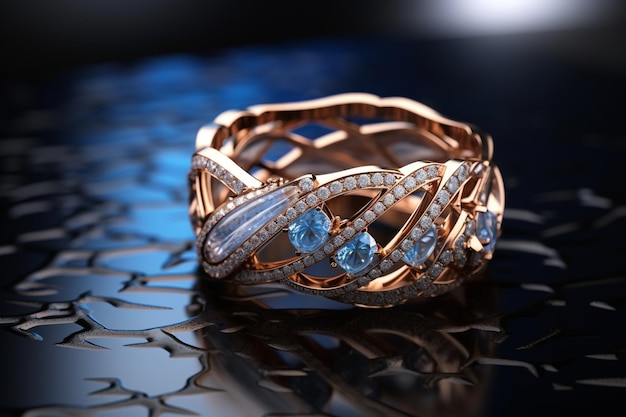
Diamonds have long held an iconic place in human culture, prized for their unrivaled beauty and rare perfection. In modern society, however, their significance transcends mere adornment. While diamonds remain a hallmark of luxury and elegance in the world of jewelry, they have found increasingly important roles in various industrial sectors, contributing to technological advancements, manufacturing, and even medical applications. The multifaceted nature of diamonds in today’s world reflects not only their beauty but their remarkable utility in diverse fields.
The Sparkling Symbol of Luxury
In the realm of jewelry, diamonds continue to be synonymous with status, wealth, and love. For centuries, they have been used as symbols of devotion, commitment, and triumph. From engagement rings to elaborate necklaces, diamonds adorn the world’s most precious and exclusive pieces, creating a sense of timeless elegance. The brilliance of a diamond—its ability to refract light in spectacular ways—has made it a preferred choice for luxury jewelry, capturing the admiration of those who appreciate both beauty and rarity.
The demand for diamonds in jewelry is driven by their allure and the cultural symbolism they carry. The phrase “diamonds are forever,” popularized by the De Beers advertising campaign in the 20th century, cemented the diamond as a symbol of eternal love, particularly in engagement rings. As a result, the diamond industry has become a billion-dollar enterprise, with every facet of its production and marketing designed to appeal to human emotions, desires, and aspirations.
Diamonds are not only limited to engagement rings and high-end jewelry. In recent years, there has been a rise in the popularity of bespoke diamond pieces, where consumers seek to create one-of-a-kind designs that reflect their individual style and personality. This trend highlights the continuing relevance of diamonds in modern luxury markets, reinforcing their status as one of the most coveted gemstones in the world.
Industrial Diamonds: Beyond Beauty
While the dazzling allure of diamonds in jewelry is undeniable, their role in modern society extends far beyond aesthetics. The extraordinary hardness and durability of diamonds make them invaluable in various industrial applications. Known as industrial diamonds, these gems are not intended for decorative purposes but are instead used for their physical properties in manufacturing and technology.
Industrial diamonds are primarily used as abrasives due to their exceptional hardness. They are employed in cutting, grinding, and polishing operations, where they can easily outlast other materials. Industries such as mining, construction, and metalworking rely on diamond tools for their ability to efficiently cut through tough materials. Diamond-coated tools, such as drill bits, saw blades, and grinding wheels, are essential for precision work in industries that demand the highest levels of performance.
Diamonds are also used in the electronics industry, where their thermal conductivity and electrical properties make them valuable components in semiconductor devices and heat sinks. The ability of diamonds to dissipate heat more efficiently than other materials has made them critical in the production of high-performance electronics, particularly in applications such as high-power lasers and microwave devices.
The aerospace industry also benefits from the unique properties of diamonds, utilizing them in various components, including cutting-edge satellite technologies and optical systems. The growing demand for diamond-based materials in industrial applications demonstrates the adaptability and versatility of this remarkable stone.
Lab-Grown Diamonds: A Technological Revolution
As technological advancements continue to shape the diamond industry, the emergence of lab-grown diamonds has revolutionized both the jewelry and industrial sectors. These diamonds are created through processes that replicate the natural conditions under which diamonds form deep within the Earth, but in a controlled laboratory environment. The two primary methods of creating lab-grown diamonds are High Pressure High Temperature (HPHT) and Chemical Vapor Deposition (CVD).
Lab-grown diamonds are virtually indistinguishable from their natural counterparts in terms of their physical and chemical properties. In the realm of jewelry, they offer a more sustainable and ethical alternative to mined diamonds, as their production generally has a lower environmental impact. This has made them increasingly popular among consumers who are concerned about the ethical and ecological consequences of diamond mining. As lab-grown diamonds are produced without the need for traditional mining methods, they avoid many of the associated environmental and human rights issues, such as deforestation, water pollution, and exploitation of workers.
In the industrial sector, lab-grown diamonds are gaining traction due to their cost-effectiveness. As technology continues to improve, lab-grown diamonds can be produced more efficiently and at a fraction of the cost of natural diamonds. This makes them an attractive option for industries that require large quantities of diamonds for cutting, grinding, and high-tech applications, where the cost of natural diamonds may be prohibitive.
The advent of lab-grown diamonds has not only made diamonds more accessible but has also opened new doors for innovation. As scientists continue to experiment with new diamond synthesis techniques, the potential applications for lab-grown diamonds are expanding rapidly, from quantum computing to medical advancements.
Diamonds in Medicine: Healing Powers Beyond the Surface
The uses of diamonds in modern society are not limited to manufacturing and technology. In recent years, diamonds have begun to play a significant role in the field of medicine. Their biocompatibility, strength, and ability to interact with light and heat have opened up new possibilities for their use in medical applications.
One of the most promising areas of diamond research in medicine is in the field of cancer treatment. Nanodiamonds, which are tiny diamond particles, have shown great potential in drug delivery systems. Because of their biocompatibility, nanodiamonds can be used to carry therapeutic drugs directly to targeted cancer cells, minimizing damage to healthy tissues and enhancing the effectiveness of treatment. Researchers are also exploring the use of diamonds in medical imaging, where their unique properties may improve the resolution and accuracy of diagnostic tools, such as MRI and ultrasound.
Diamonds are also being studied for their potential in regenerative medicine. Their ability to stimulate cell growth and repair tissues makes them ideal candidates for use in the development of artificial organs, implants, and other medical devices. As research in this area progresses, diamonds may become a critical part of the medical technologies of the future.
The Environmental Impact of Diamond Mining
As the demand for diamonds continues to rise, the environmental and ethical concerns surrounding traditional diamond mining have become more pronounced. The extraction of diamonds from the Earth requires significant energy and resources, often leading to deforestation, soil degradation, and water contamination. Furthermore, diamond mining can have severe social impacts, including the displacement of local communities and the exploitation of workers, particularly in conflict zones.
In response to these concerns, the diamond industry has made strides toward improving its practices. Initiatives such as the Kimberley Process Certification Scheme have been implemented to prevent the trade of conflict diamonds, ensuring that diamonds are sourced responsibly and ethically. However, these efforts are not without their challenges, and the push for greater transparency and sustainability in the industry continues.
The rise of lab-grown diamonds offers a promising alternative, as their production generally has a lower environmental impact compared to traditional mining. With fewer resources required for their creation, lab-grown diamonds may represent a more sustainable option for consumers and industries alike.
The Future of Diamonds in Society
As diamonds continue to evolve in both the jewelry and industrial sectors, their role in modern society is expanding. While they remain a symbol of wealth and luxury, their uses in technology, medicine, and manufacturing are reshaping their value and utility. The development of lab-grown diamonds, along with advances in research and innovation, promises to unlock even more possibilities for this remarkable gemstone in the future.
Whether as a symbol of enduring love, a tool for precision manufacturing, or a cutting-edge component in medical devices, diamonds will continue to captivate and serve society in ways both traditional and new. Their enduring appeal lies not only in their physical beauty but also in their remarkable versatility and potential to contribute to the betterment of humanity.


