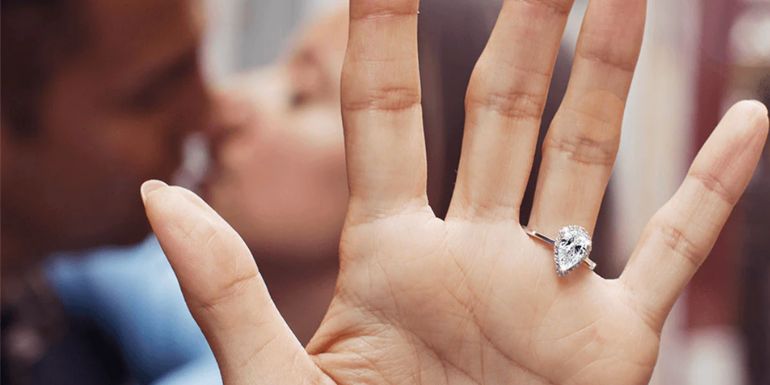
A Journey Toward the Perfect Symbol of Love
An engagement ring is more than a piece of jewelry—it is a symbol of commitment, love, and the start of a lifelong journey together. Choosing the right engagement ring requires thoughtful consideration and a balance of aesthetics, practicality, and emotion. With so many options available, understanding the nuances of design, materials, and personal preference is essential to making the perfect choice.
Understanding Your Partner’s Style and Preferences
The first step in choosing the right engagement ring is understanding your partner’s style. Every individual has unique tastes, and the ring you choose should reflect their personality and preferences. Observe the type of jewelry they wear daily. Do they gravitate toward minimalist designs or intricate, vintage-inspired pieces? Are they drawn to yellow gold, white gold, or rose gold? Noticing these subtle details will provide valuable insights.
If you’re uncertain, consider seeking input from close friends or family members. Alternatively, some couples choose to shop for the engagement ring together, ensuring the final selection is one that both partners adore.
Decoding the 4 Cs of Diamonds
When selecting a diamond engagement ring, it is crucial to familiarize yourself with the 4 Cs: carat, cut, clarity, and color. These four factors determine the quality and value of a diamond, helping you make an informed decision.
- Carat: The carat refers to the weight of the diamond, which directly impacts its size. While larger diamonds are often more impressive, smaller diamonds with excellent cut and clarity can appear just as stunning.
- Cut: The cut of a diamond significantly influences its brilliance and sparkle. A well-cut diamond reflects light beautifully, creating the dazzling effect that makes engagement rings so captivating.
- Clarity: Clarity measures the presence of internal or external imperfections, known as inclusions and blemishes. Higher clarity grades indicate fewer imperfections, though many inclusions are microscopic and invisible to the naked eye.
- Color: Diamonds are graded on a color scale ranging from D (colorless) to Z (light yellow or brown). Colorless diamonds are more sought-after, but slightly colored diamonds can add warmth and character to a ring.
For those seeking alternatives to diamonds, gemstones such as sapphires, emeralds, and rubies offer vibrant colors and unique symbolism, making them an increasingly popular choice.
Selecting the Right Metal for the Band
The metal of the band plays a crucial role in determining the overall appearance and durability of the engagement ring. Popular options include:
- Platinum: Renowned for its strength and hypoallergenic properties, platinum is an ideal choice for those seeking a durable and timeless option.
- Gold: Available in yellow, white, and rose variations, gold offers versatility and classic elegance. Each hue imparts a distinct character to the ring.
- Palladium: A lesser-known metal, palladium is lightweight and shares many of platinum’s desirable qualities.
The choice of metal should complement both the center stone and the wearer’s skin tone. White metals like platinum and white gold pair well with colorless diamonds, while yellow and rose gold enhance the warmth of slightly colored stones.
Exploring Different Settings
The setting of an engagement ring is not just a functional element—it also defines the overall aesthetic of the ring. Popular settings include:
- Prong Setting: A classic design that uses metal claws to secure the center stone, allowing maximum light to pass through and enhance its brilliance.
- Bezel Setting: A contemporary option that encircles the stone with a rim of metal, offering both protection and a sleek appearance.
- Halo Setting: This design surrounds the center stone with a circle of smaller diamonds, creating the illusion of a larger stone and adding extra sparkle.
- Pavé Setting: Tiny diamonds are set closely together along the band, giving the impression of a continuous shimmer.
- Tension Setting: A modern and innovative design that uses the band to hold the center stone in place, creating the illusion of a floating gem.
Each setting offers unique advantages, and the choice often depends on the wearer’s lifestyle and personal taste.
Budgeting Wisely
Determining a budget is an essential aspect of choosing the right engagement ring. While traditional guidelines suggest spending three months’ salary, the reality is that your budget should align with your financial situation and priorities. High-quality rings are available at every price point, especially when considering options like lab-grown diamonds, alternative gemstones, or minimalist designs.
Focus on what matters most to you and your partner. For some, the size of the center stone is paramount, while others prioritize ethical sourcing or intricate craftsmanship.
Considering Practicality and Lifestyle
An engagement ring is meant to be worn daily, so practicality is a key consideration. Think about your partner’s lifestyle and activities. For someone with an active lifestyle or a hands-on job, a low-profile setting like a bezel may be more practical, as it reduces the risk of snagging or damage. Conversely, those who prefer bold and dramatic designs may appreciate a high-profile setting that highlights the center stone.
Durability is another important factor. Metals like platinum are highly resistant to wear and tear, making them suitable for long-term use.
Personalizing the Ring
Personalization adds a layer of sentimentality to an engagement ring, transforming it into a truly one-of-a-kind piece. Customization options include:
- Engravings: Adding a meaningful date, initials, or a short phrase inside the band.
- Unique Gemstones: Incorporating birthstones or stones with personal significance.
- Custom Designs: Working with a jeweler to create a bespoke ring that reflects your partner’s individuality.
These thoughtful touches make the ring a cherished symbol of your unique love story.
Ethical and Sustainable Choices
In recent years, ethical and sustainable practices have become a priority for many couples. When choosing an engagement ring, consider options such as:
- Conflict-Free Diamonds: Certified diamonds that adhere to ethical sourcing practices, ensuring they are free from association with conflict.
- Lab-Grown Diamonds: Eco-friendly alternatives that offer the same beauty and brilliance as mined diamonds.
- Recycled Metals: Using repurposed materials to reduce environmental impact.
Supporting jewelers who prioritize sustainability and ethical practices ensures that your engagement ring aligns with your values.
Trusting a Reputable Jeweler
Selecting the right jeweler is crucial to ensuring quality and authenticity. Look for jewelers with positive reviews, transparent policies, and certifications from reputable organizations like the Gemological Institute of America (GIA) or the American Gem Society (AGS). A trusted jeweler will guide you through the process, answer your questions, and provide documentation for your purchase.
The Perfect Ring: A Reflection of Your Love
Choosing the right engagement ring is an art and a deeply personal experience. It’s a journey that combines practicality with emotion, balancing timeless tradition and modern preferences. By understanding the nuances of design, materials, and your partner’s unique style, you can find a ring that perfectly symbolizes your love and commitment.
An engagement ring is not just a purchase—it is a promise. And with thoughtful consideration, it will become a cherished heirloom that tells the story of your love for generations to come.


